Get Drywall Water Damage Repair
Drywall water damage repair services help property owners restore and fix issues caused by leaks, flooding, or moisture, including replacing damaged drywall and preventing mold growth.
Water damage to drywall can lead to structural issues, mold growth, and costly repairs if not addressed promptly. Property owners in the area may seek professional drywall water damage repair to restore safety and integrity to their spaces, especially after leaks, floods, or plumbing failures. Exploring options from local contractors ensures that the work is handled by experienced service providers familiar with the specific needs of the community, helping to plan effective repair projects with confidence.
Choosing the right local contractors for drywall water damage repair involves comparing expertise, reputation, and available services to meet individual property needs. This process supports informed decision-making and helps property owners connect with trusted professionals who can deliver quality results. Keep reading to learn more about how local service providers can assist in restoring your property efficiently and effectively.
- Ceiling Water Damage Repair - homeowners may need this work when ceiling stains or sagging become evident due to leaks.
- Wall Water Damage Restoration - property owners might require this service after drywall shows signs of warping, discoloration, or mold.
- Basement Drywall Water Damage Repair - when basement walls develop water stains or mold growth following flooding or seepage.
- Bathroom Drywall Water Damage Fixes - needed after water intrusion from leaks or overflows causes drywall deterioration in bathrooms.
- Attic Water Damage Repair - necessary when roof leaks lead to drywall damage and mold in attic spaces.
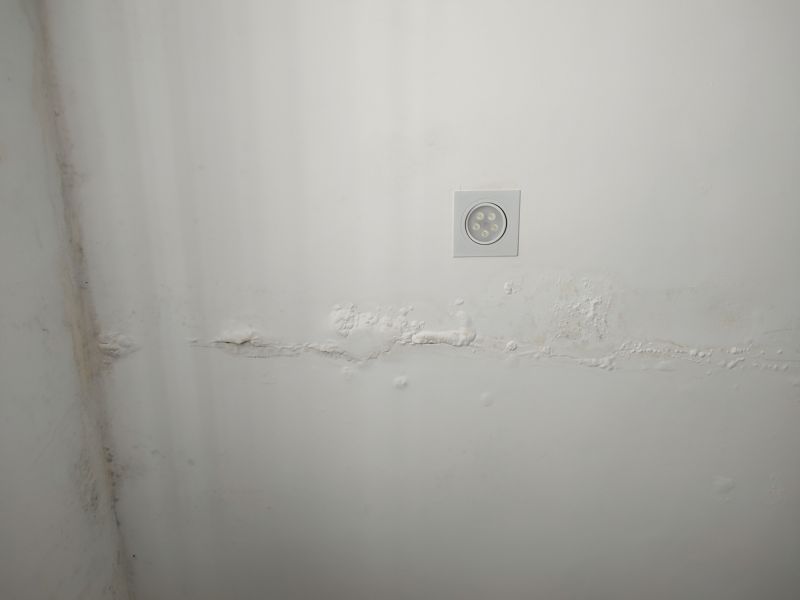
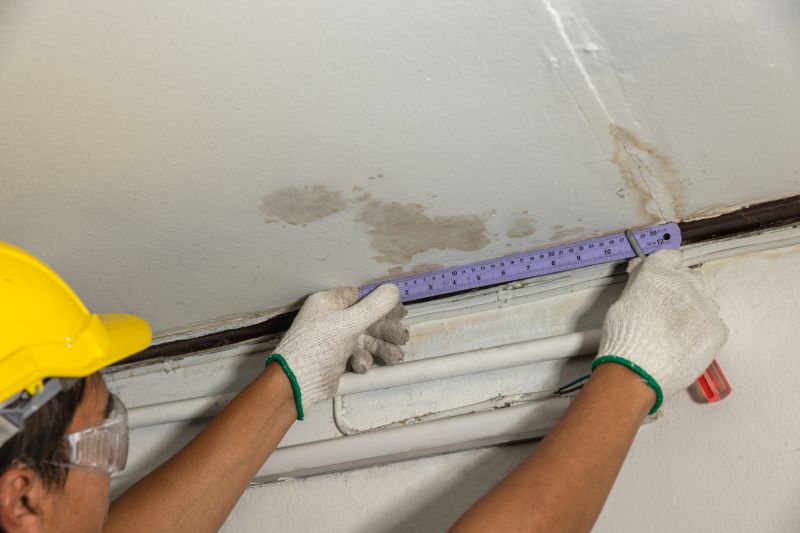
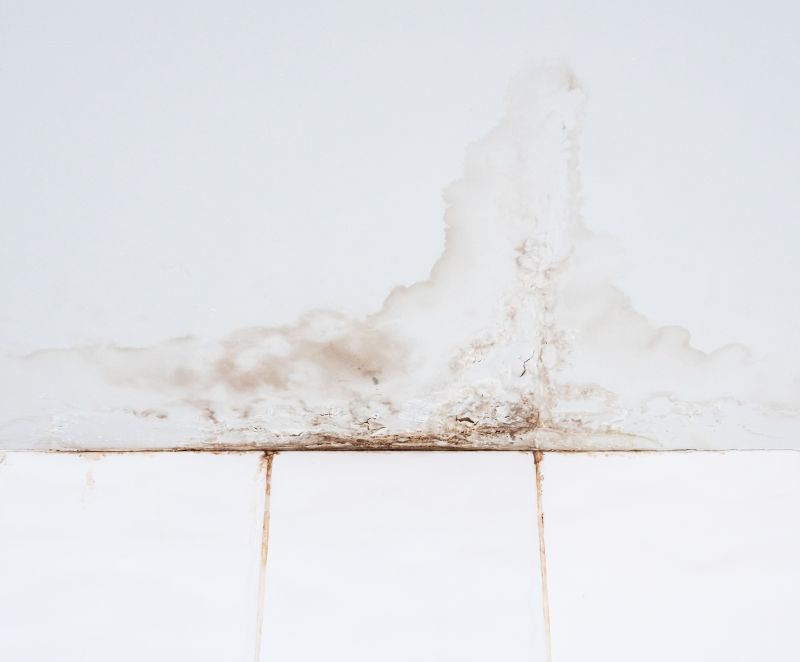
Drywall water damage repair services focus on restoring walls that have been affected by excess moisture or leaks. When water infiltrates drywall, it can cause swelling, warping, staining, and weakening of the material. Skilled service providers assess the extent of the damage, remove the compromised drywall, and replace or repair it to restore the wall’s integrity and appearance. This process often involves drying out the area thoroughly to prevent mold growth and ensure a safe, long-lasting repair.
Water damage to drywall often results from plumbing leaks, roof leaks, or flooding incidents. If left unaddressed, moisture can lead to mold development, foul odors, and structural issues that compromise the safety and value of a property. Repairing water-damaged drywall helps eliminate these problems, restoring the wall’s strength and preventing further deterioration. Additionally, timely repairs can improve indoor air quality and reduce the risk of health problems associated with mold exposure.
These services are commonly used in residential properties such as single-family homes, apartments, and condominiums. Water damage can occur in any room, including basements, kitchens, bathrooms, and even bedrooms, especially if plumbing issues or roof leaks happen. Commercial properties, like small office buildings or retail spaces, may also require drywall water damage repair if leaks or flooding impact interior walls. Property owners and managers benefit from professional repairs that help maintain the property's appearance and structural soundness.
Homeowners and property managers should consider drywall water damage repair when noticing signs such as discolored or stained walls, peeling paint, musty odors, or visible warping. Promptly addressing water damage can prevent more extensive repairs later, including replacing entire sections of drywall or dealing with mold remediation. Connecting with experienced local contractors ensures that the repair work is handled efficiently and effectively, helping restore the property’s condition and appearance after water-related incidents.
The overview below groups typical Drywall Water Damage Repair projects into broad ranges so you can see how smaller, mid-sized, and larger jobs often compare in your area.
In many markets, a large share of routine jobs stays in the lower and middle ranges, while only a smaller percentage of projects moves into the highest bands when the work is more complex or site conditions are harder than average.
Smaller Repairs - typical costs for minor drywall water damage repairs range from $250 to $600. Many routine jobs in this range involve patching small areas or replacing sections of drywall affected by leaks or minor flooding. Larger or more complex repairs can push costs higher but are less common in this category.
Moderate Damage Restoration - for moderate water damage involving multiple drywall sections or extensive staining, local contractors often charge between $600 and $1,500. Projects in this range may include replacing larger panels and addressing underlying moisture issues, which are more frequent than very large repairs.
Large-Scale Repairs - extensive damage affecting large sections of drywall or multiple rooms can typically cost between $1,500 and $3,500. These projects often involve significant demolition, mold remediation, and structural repairs, though they are less common than smaller jobs.
Full Replacement - complete drywall replacement in severely water-damaged areas can range from $3,500 to over $5,000. Such projects are usually reserved for severe flooding or long-term water issues and represent the highest typical cost tier for drywall water damage repair services.
Actual totals will depend on details like access to the work area, the scope of the project, and the materials selected, so use these as general starting points rather than exact figures.
Ceiling Water Damage Repair - Local contractors skilled in restoring ceilings affected by water leaks often use similar drywall repair techniques to address damage caused by moisture intrusion.
Bathroom Mold Remediation - Professionals handling mold issues in bathrooms frequently perform drywall removal and repair as part of moisture control and remediation processes.
Basement Flood Restoration - Restoring basements after flooding involves drywall replacement and water damage mitigation, requiring comparable planning and tools used in drywall water damage repair.
Kitchen Leak Repairs - Addressing leaks behind walls in kitchens involves drywall assessment and repair, paralleling the skills needed for water-damaged drywall restoration.
Fire and Smoke Damage Repair - Fire damage restoration often includes repairing or replacing water-damaged drywall caused by firefighting efforts, utilizing similar drywall repair methods.
Interior Wall Reconstruction - Rebuilding interior walls after structural damage or renovation projects involves drywall installation and repair skills akin to water damage repair services.
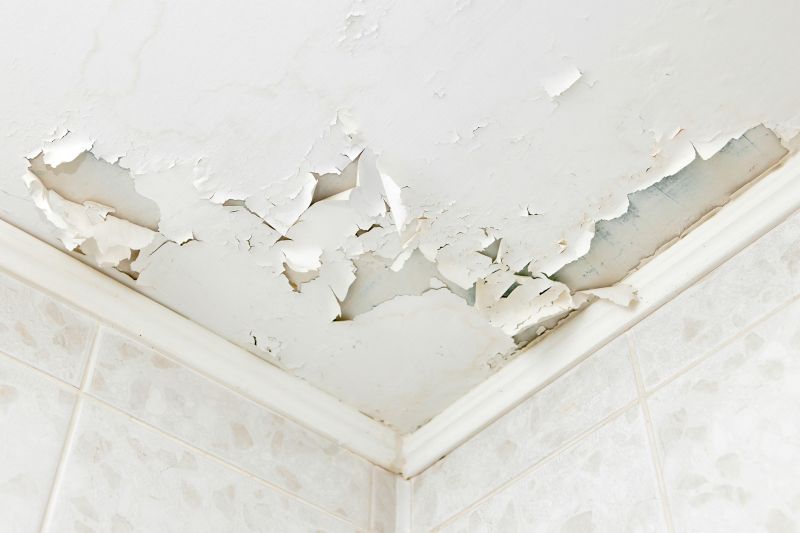
When comparing service providers for drywall water damage repair, it’s important to consider their experience with similar projects. Homeowners should look for local contractors who have a track record of successfully handling water damage repairs in residential settings. An experienced professional will understand the common challenges associated with water intrusion and know how to address issues like mold prevention, drywall replacement, and moisture mitigation effectively. This background can help ensure the repair work is thorough and minimizes the risk of future problems.
Clear and detailed written expectations are crucial when evaluating local pros. Homeowners should seek providers who can offer comprehensive descriptions of their services, including the scope of work, materials used, and any necessary preparations or follow-up steps. Having this information in writing helps establish a mutual understanding and reduces the chances of misunderstandings or surprises during the project. It also provides a basis for comparing different contractors’ offerings and ensures that everyone is aligned on what the repair process entails.
Reputable references and good communication are key indicators of a reliable service provider. Homeowners are encouraged to ask local contractors for references from previous clients who had similar water damage issues. Speaking with past customers can provide insight into the contractor’s professionalism, quality of work, and ability to meet deadlines. Additionally, a contractor who communicates clearly, responds promptly to inquiries, and demonstrates transparency throughout the process can make the repair experience smoother and more predictable. These qualities help homeowners feel confident in choosing a trusted local professional for their drywall water damage repair needs.
Property owners use Drywall Water Damage Repair services for practical projects around their homes and businesses. This guide focuses on everyday jobs and straightforward project options.
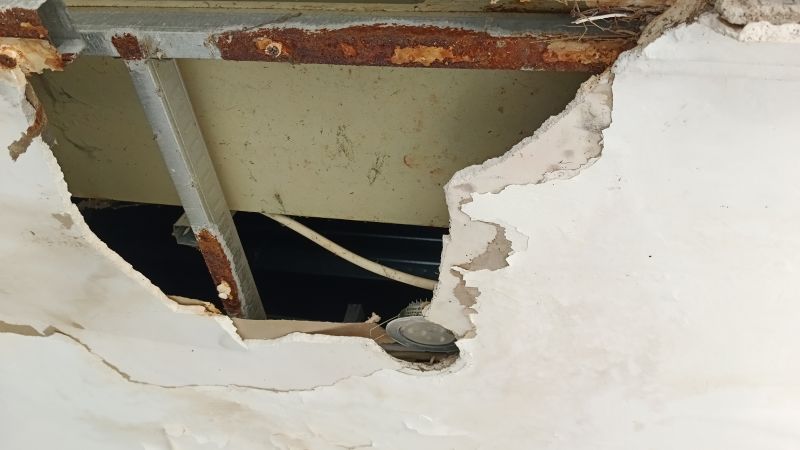
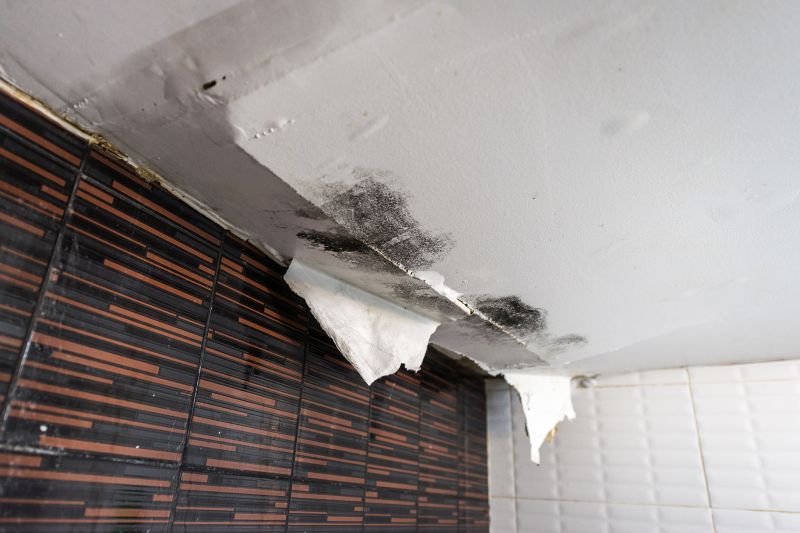
Drywall water damage repair is a common need for property owners dealing with leaks, spills, or unexpected flooding. Whether a pipe burst in a basement, a roof leak during a storm, or accidental overflows in bathrooms, water can quickly seep into drywall, causing warping, staining, or mold growth. Local contractors experienced in drywall restoration can assess the damage, remove affected sections, and perform necessary repairs to restore the wall’s integrity and appearance.
Property owners in the area may seek drywall water damage services after discovering signs of moisture or mold, or following a recent plumbing issue or weather-related incident. These local service providers can handle a variety of situations, from minor repairs to extensive restoration projects, helping homeowners and business owners return their spaces to a dry, safe condition. Connecting with experienced local pros ensures the work is done efficiently and effectively to address water-related drywall issues.
What causes drywall water damage? Water damage to drywall can result from leaks, plumbing issues, roof leaks, or flooding, leading to swelling, staining, and deterioration of the material.
How can I tell if drywall has water damage? Signs include visible stains, warping, soft spots, mold growth, or a musty odor indicating moisture infiltration.
What repair options are available for water-damaged drywall? Local contractors typically remove and replace damaged sections, dry and treat affected areas, and restore the wall’s surface to prevent further issues.
Is mold growth a concern with water-damaged drywall? Yes, moisture can promote mold growth, so proper drying and treatment are essential to prevent health hazards and structural problems.
How do service providers prevent future drywall water damage? They often implement moisture barriers, repair leaks, improve drainage, and recommend ongoing maintenance to reduce the risk of recurrence.
Identify water-damaged drywall - Property owners can assess areas affected by leaks or flooding to determine where drywall repair is needed.
Plan for drywall replacement - Homeowners can prepare for replacing sections of drywall that have sustained water damage to restore interior walls.
Prevent future damage - Property owners can explore sealing or waterproofing options with local contractors to minimize water intrusion risks.
Schedule repairs after water incidents - Individuals can coordinate with service providers to restore drywall following plumbing issues or water leaks.
If you are thinking about Drywall Water Damage Repair for a property, this guide is meant to help you understand the work, the typical project types, and how different options might fit your plans.
When you are ready, you can use the quote form on this page to share a few details about your project. From there, local pros can review the basics and respond with options that match what you have in mind.